
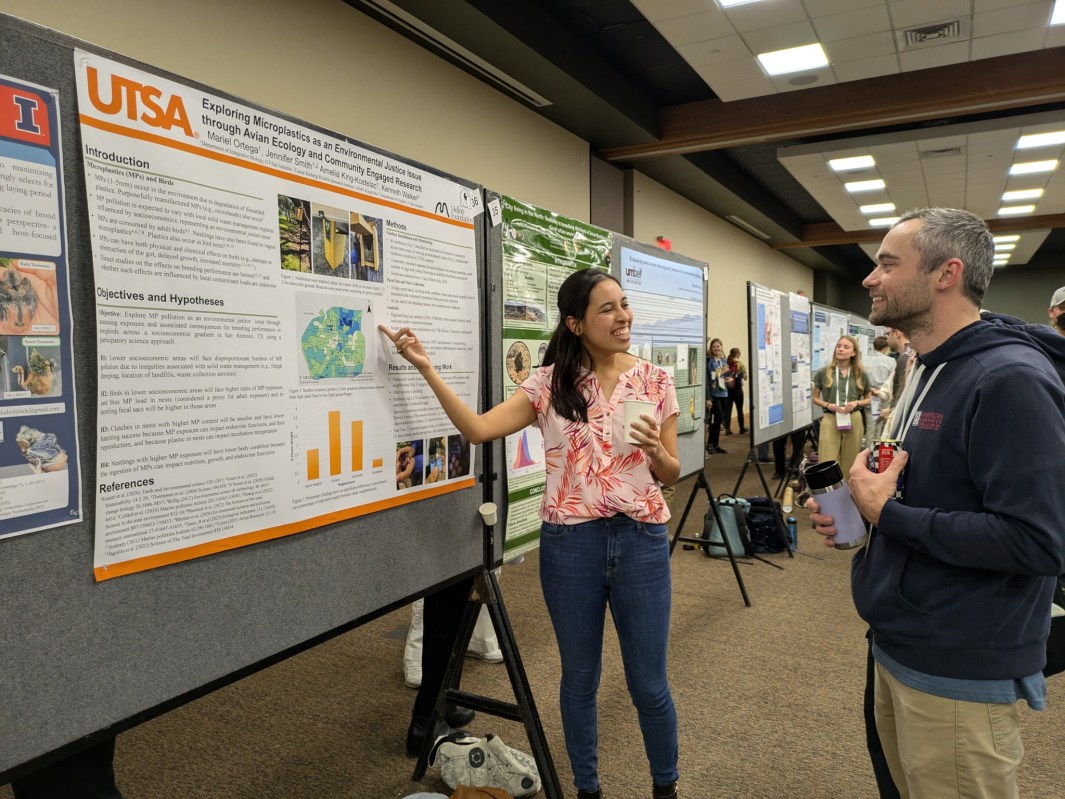
Three things happen when you put an introvert in a closed campus with 1,100 colleagues.
- The introvert’s brain becomes the equivalent of a bucket with no bottom,
- The introvert is too tired to even watch Youtube
- The introvert comes away more inspired to throw herself into her work than ever before.
This past week I presented at the American Ornithological Society Conference, or as my friends know it, at a bird conference. Tucked up in the mountains of Estes Park, the days went like this.

7 AM: Wake up for breakfast…painfully. I know bird scientists are supposed to be early risers, but I am an outlier in more ways that one.
8:30 AM: Plenary Talk. An hour or so long lecture on a particularly gripping topic, such as the necessity or renaming birds named after people.
10AM-6PM: Talks. In bursts of 15 minutes, listen to talk after talk after talk. Each interesting and groundbreaking in its own way, but by day 5, definitely an overload of information.
6PM-11PM: Various networking events, from smores to bird trivia.
I’m not sure what other conferences are like, so I can’t make any comparisons, but here are my five takeaways from participating in AOS this past week as a master’s student.
1. Networking is Everything
When registering for the conference, several optional mixers and hangout activities popped onto my screen: Bird trivia. Bird Jam Dance. Mentor-mentee match-up. The list went on and on. I watched through my fingers as my mouse stopped over each respective checkbox. Conferences are about networking. Conferences are about networking. Conferences are about networking! I told myself as I forced myself to sign up for each and every event. There was no way around it. For a span of 5 days, I was to become an extrovert.
But in hindsight, I realize that I had only a puny appreciation for the value of networking. Take this adjunct professor I met. A girl who couldn’t have been more than 25 years old and who holds an undergraduate degree in a position that usually requires at least a master’s. Though I don’t know the full story, I witnessed something at the conference that makes me suspect networking.
This young adjunct professor has an application in review for a field job, sampling birds down in Texas. She saw the hiring person at the conference, sprinted after him–no subtle, “accidental” bumping into him in the cafeteria line–introduced herself, and asked for an interview. After said interview, she introduced the hirer to one of her references who was also at the conference, and got the job.
A networking master indeed. And proof that I have much to learn.
2. The Intersection between Social Science and Ecology
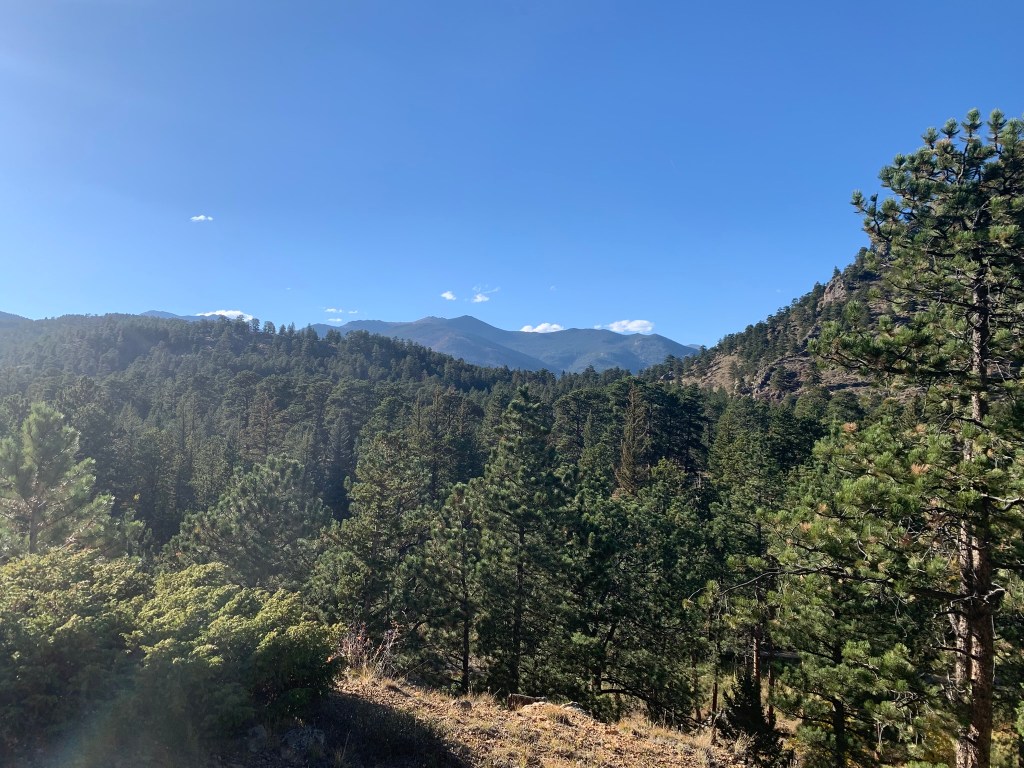
When we think of nature we might think of places like Yosemite or Yellowstone. Huge areas of wilderness that are not only devoid of humans, but must be protected from humans. Therefore, it might not be the most intuitive thing for social sciences (things like English or Anthropology) to be intersected with ecological topics. Yet, humans are as much a part of nature as everything else. And that fact that we as a culture don’t realize this is the most anthropological question of all.
The social science-ecology intersection is something that I’m learning more and more of while I conduct my master’s study on microplastic pollution. Not only are birds exposed to microplastics, but also the humans that live in those same areas. Is this pollution spread equally throughout the city or are socioeconomic factors correlated to higher exposure?
With these questions in mind–questions I was not trained to ask in undergrad–I found the most riveting talks and conversations were around this topic. I begin to envision the overarching question of my future phd…
3. The Value of International Dialogue

Beyond exposing myself to interdisciplinary perspectives, I was thrilled to interact internationally. At one of the talks, a Mexican student shared the importance of preserving the diverse names for birds in Mexico–most of which are grounded in indigenous cultures and local knowledge. I was fascinated at the vast difference in social context and how that impacts the practice of ecology. In addition, as a daughter of Mexican immigrants, it was fascinating to consider that had I been born and raised in Mexico, that Mexican student might have been me.
So–though not with as much bold panache as the adjunct professor and in a manner reminiscent of middle school–I came up with my lunch tray after the talks and asked if I could sit with her group. Three hours of rapt listening followed. The perspectives of the ornithologists in Mexico, Brazil, and Venezuela were completely different from anything I’d ever been exposed to.
Never had I been more grateful to my parents for ensuring I spoke Spanish. It truly opened up a whole world.
4. Field Ecologists Are Not a Stuffy Bunch
I pulled out my entire closet when packing for the conference. I had a general sense that this was not a black tie event but, still, it was a conference and that surely required more than business casual. I packed slacks along with my jeans and headed towards the airport. But the moment I stepped foot on the conference venue I realized I was overdressed. Taking a look around at the ranks of Teva Hiking sandals and variety of binocular straps, I smiled in disbelief. I had I found my people.
This was a conference where people snuck away, not to fancy sushi bars, but to hiking trails nearby. A conference where you don’t rub elbows over expensive champagne, but over a game of Wingspan. And thank goodness, because I don’t think I have it in me to discuss the stock market over some charismatic sparkling wine. Discussing the time we accidentally caught an owl in our net on the other hand? I could do that with my eyes closed.

5. I Have Grown Up
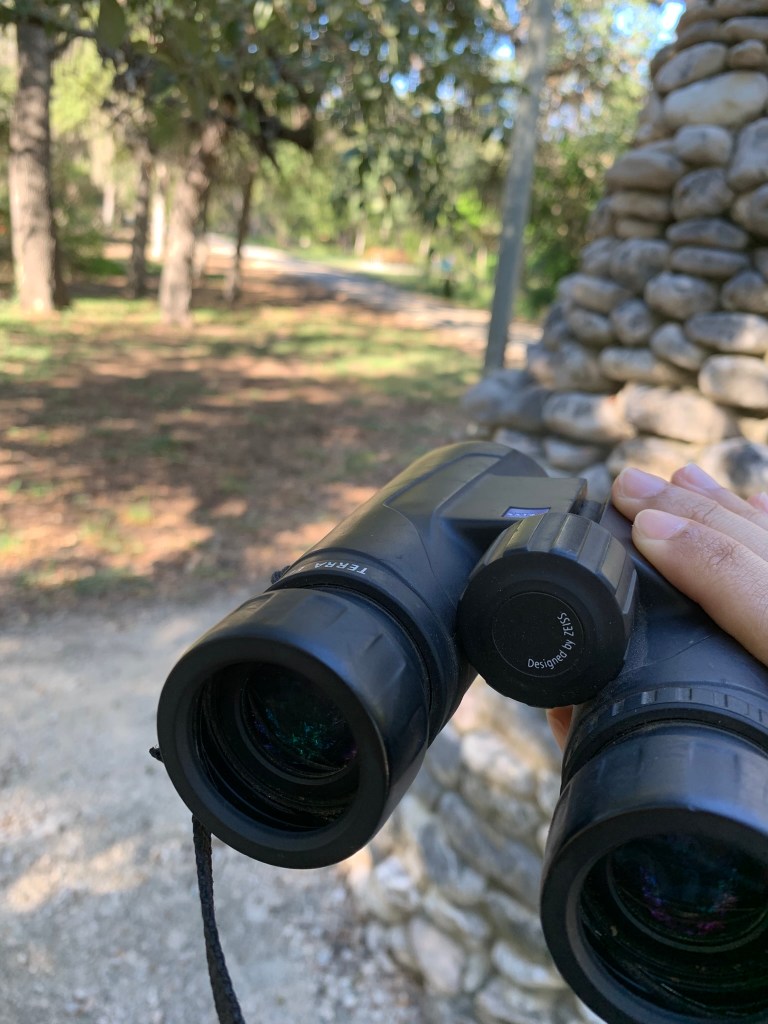
The first time I went to a conference, I was too young to make use of the included drink tickets. Enthusiastic, but intimidated by the real researchers I was meeting, I shadowed the grad students I had come with from my university. More times than I cared to admit, I hid in the bathroom stalls between talks.
Now, as a graduate student and with 5 more years of life experience, the conference experience was completely different. I’ll admit I did hide out in the bathroom once or twice (forever an introvert), but I also made new connections with confidence and expertise. As an undergrad, I met mentors, people who applauded my initiative for coming to a conference so young and had words of advice for me. Now, as a graduate student, I met colleagues, people who asked informed questions about my research and who I asked informed questions about theirs.
It seems that in my professional career path I have progressed from babbling baby–an undergrad who was more mortified at getting lost than relieved to not have died–to toddling toddler. I suppose picture-book reading pre-schooler is next?
After the conference, I find myself even more in love with research and I have a crazy idea for what to do after I finish my master’s…If you want to find out, be sure to follow the blog! I’ll give you a hint, it involves mastering a language.



 Bird Lover's Musings